Tyres play a critical role in vehicle safety, road grip, braking performance, and legal compliance. In the UK, tyre tread depth regulations are strictly enforced to reduce accidents and ensure safe driving conditions in all weather. Driving with illegal tyres can lead to heavy fines, penalty points, and even vehicle seizure.
Understanding tyre tread depth laws is essential for every driver, whether you drive daily, occasionally, or for business purposes. In this guide, we explore five key legal tyre tread depth rules every UK driver must know, along with practical maintenance advice and professional support from TJ Services Fleet to help keep your vehicle roadworthy and compliant.
Why Tyre Tread Depth Matters?
Tyre tread refers to the grooves and patterns on the tyre surface that provide traction and help disperse water from the road. Proper tread depth ensures better grip, shorter braking distances, and improved handling, especially during wet or slippery conditions.
When tread depth falls below legal limits, tyres lose their ability to maintain road contact effectively. This increases the risk of aquaplaning, reduces braking efficiency, and compromises vehicle control. Maintaining legal tread depth is not just about passing inspections but also about protecting yourself, your passengers, and other road users. Regular inspections from a reliable tyre shop in Fleet can help you avoid costly fines and ensure your tyres meet legal safety standards throughout the year.
- Minimum Legal Tread Depth is 1.6mm
The most important legal rule in the UK is that tyres must have a minimum tread depth of 1.6mm across the central three quarters of the tyre and around the entire circumference. This applies to cars, vans, and light commercial vehicles.
Driving with tread below this limit is illegal and considered a serious safety offence. Law enforcement officers can issue fines and penalty points for each illegal tyre, meaning a vehicle with multiple worn tyres can lead to severe consequences.
How to Stay Compliant
Regularly inspect your tyres and replace them before reaching the legal limit. Many experts recommend changing tyres at around 3mm to maintain optimal safety and performance, particularly in wet conditions.
- Tread Depth Must Be Even Across the Tyre
Having 1.6mm tread depth in only one section of the tyre is not enough. The law requires that the minimum depth be consistent across the central three quarters of the tyre’s surface. Uneven wear can result in an illegal tyre even if some areas appear acceptable.
Uneven tread wear is commonly caused by incorrect wheel alignment, suspension issues, or improper tyre inflation. Drivers often overlook these factors until an MOT test reveals the problem.
Prevention Tips
Rotate tyres regularly and check for unusual wear patterns. Professional tyre inspections help identify underlying mechanical issues that contribute to uneven wear.
- Tyres Must Be Free from Damage or Defects
Legal tyre standards go beyond tread depth. Tyres must also be free from cuts, bulges, exposed cords, or structural damage that could compromise safety. Even if tread depth is within legal limits, damaged tyres can still lead to penalties or MOT failure.
Driving on damaged tyres increases the risk of blowouts, loss of control, and accidents. Potholes, kerb impacts, and road debris are common causes of tyre damage.
How to Prevent Problems
Inspect tyres visually every few weeks and after long journeys. If you notice cracks, bulges, or embedded objects, arrange a professional inspection immediately to avoid safety risks.
- Tyre Tread Depth Applies to All Road Wheels
UK law applies tread depth regulations to every tyre fitted on the vehicle, including spare tyres used on the road. Some drivers assume that only front tyres require strict monitoring, but all tyres must meet legal requirements.
Rear tyres are particularly important for maintaining vehicle stability and preventing skidding during sudden braking or cornering. Driving with worn rear tyres significantly increases accident risk.
Prevention Advice
Include all tyres in your maintenance routine. Check pressures and tread depth across every wheel to ensure consistent performance and legal compliance.
- Drivers Are Legally Responsible for Tyre Condition
Regardless of whether a vehicle is privately owned, leased, or part of a business fleet, the driver is legally responsible for ensuring tyres meet safety standards. This means routine inspections and timely replacements are essential.
Failure to maintain legal tyre condition can lead to fines, penalty points, and increased insurance costs. More importantly, illegal tyres put lives at risk.
How to Stay Safe
Schedule regular tyre inspections with qualified technicians who can measure tread depth accurately and identify early signs of wear or damage.
How to Measure Tyre Tread Depth Correctly
Checking tread depth is quick and easy with the right tools. A dedicated tread depth gauge provides the most accurate results, but you can also use simple visual checks such as examining tread wear indicators built into modern tyres.
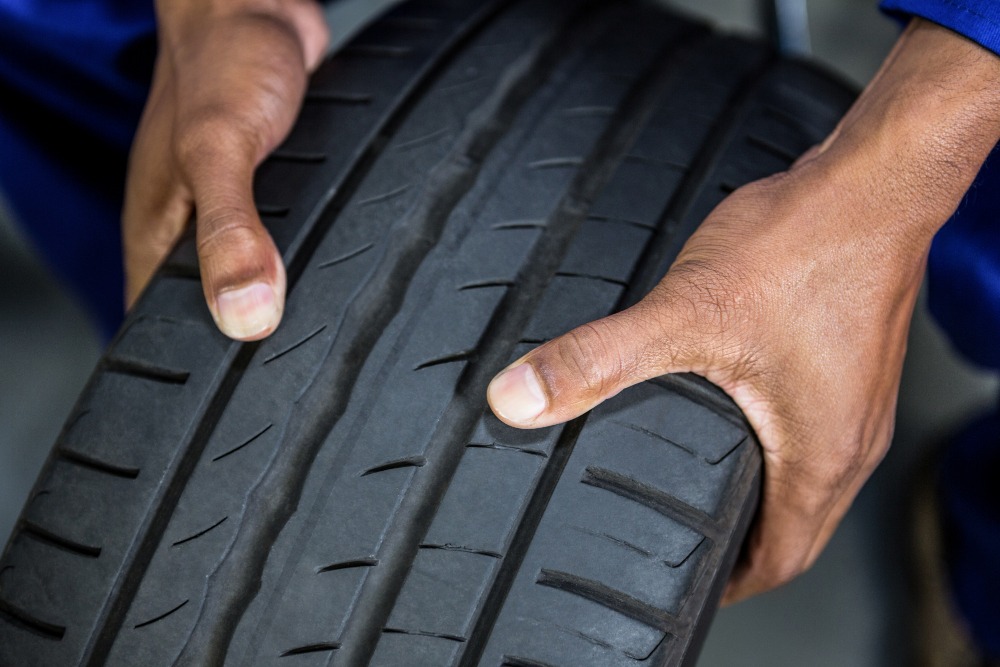
Place the gauge into the tyre grooves and measure several points across the tyre to ensure consistent depth. If readings approach the legal limit, plan a replacement soon to avoid last minute issues before an MOT or roadside inspection.
Warning Signs Your Tyres May Be Illegal
Drivers should watch for several warning signs that indicate tyres may be approaching unsafe or illegal levels. These include reduced grip on wet roads, longer braking distances, vibrations while driving, or visible bald patches on the tyre surface.
Uneven handling, increased road noise, or frequent loss of traction are also common indicators that tyres require professional attention. Acting early helps avoid costly repairs and dangerous driving conditions.
The Role of Professional Tyre Inspections
Regular inspections by experienced technicians at a reliable tyre centre in Fleet help ensure your tyres remain safe and legal throughout the year. Professionals use specialised tools to measure tread depth accurately and assess tyre condition, alignment, and inflation levels.
Routine servicing also helps identify suspension or steering problems that contribute to uneven wear. Early detection allows drivers to fix minor issues before they become serious safety concerns.
How Tj Services Fleet Supports Legal Tyre Maintenance
Professional tyre services play an essential role in maintaining road safety and legal compliance. Experienced technicians carry out detailed inspections, replacements, and wheel alignment checks to ensure tyres meet UK regulations.
Services may include tyre fitting, tread depth assessments, pressure monitoring, and expert advice on when to replace worn tyres. Regular maintenance helps prevent unexpected breakdowns, improves fuel efficiency, and enhances overall driving comfort.
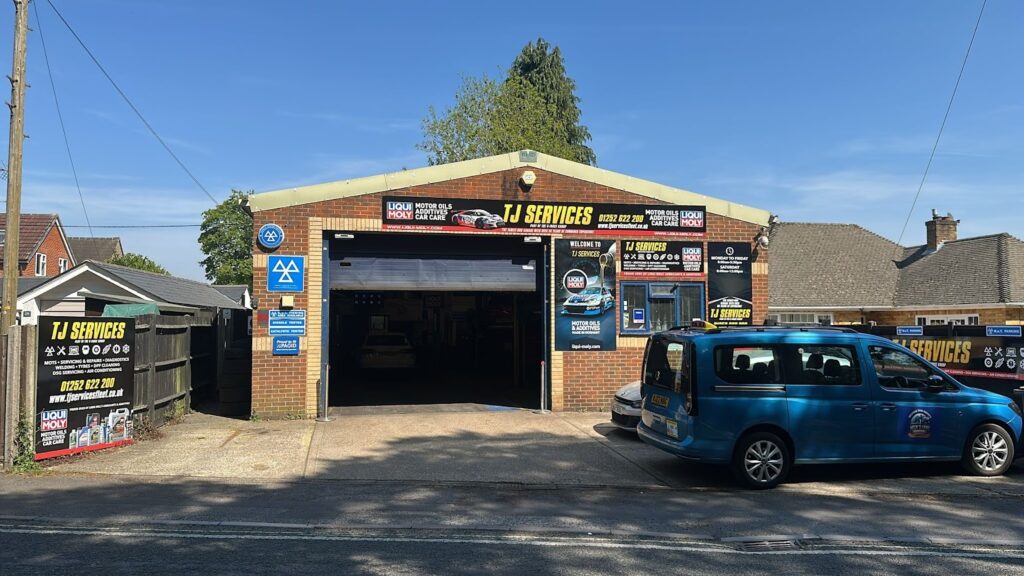
By working with qualified professionals, drivers can keep their vehicles compliant with UK road laws and reduce the risk of MOT failures or roadside penalties.
Need a tyre inspection? Get directions to TJ Services Fleet and schedule your free tread depth check today. Our expert technicians will ensure your tyres meet legal standards and keep you safe on the road.
Preparing Your Tyres Before an MOT Test
An MOT inspection includes a thorough check of tyre condition and tread depth. Preparing in advance increases your chances of passing first time. Start by measuring tread depth across all tyres and checking for visible damage.
Ensure tyres are inflated to the recommended pressure levels and free from objects such as nails or stones. Booking a professional pre MOT inspection helps identify issues early, saving time and avoiding retest costs.
Benefits of Maintaining Legal Tyre Tread Depth
Maintaining legal tread depth offers more than just compliance. Drivers benefit from improved road grip, enhanced braking performance, better fuel efficiency, and reduced risk of accidents.
Properly maintained tyres also extend vehicle lifespan by reducing strain on suspension and steering components. Safe tyres contribute to smoother handling, increased driving confidence, and long term cost savings.
Practical Tips for Extending Tyre Life
Regular tyre care helps maintain optimal tread depth and extends tyre lifespan. Check tyre pressures monthly, avoid aggressive acceleration and braking, and rotate tyres at recommended intervals.
Maintaining proper wheel alignment and suspension condition prevents uneven wear. Keeping tyres clean and free from debris also helps preserve tread integrity and improve overall performance.
Conclusion
Understanding legal tyre tread depth rules is essential for every UK driver. The minimum legal limit of 1.6mm, consistent tread depth across tyres, absence of damage, and driver responsibility all play crucial roles in maintaining safe and compliant vehicles.
By carrying out regular inspections, addressing warning signs early, and working with experienced professionals, drivers can avoid penalties, reduce accident risks, and ensure smoother driving experiences.
Maintaining proper tyre tread depth is not only a legal requirement but also a vital part of responsible vehicle ownership. With proactive maintenance and professional support, you can keep your tyres roadworthy and approach every journey with confidence and safety in mind.